






Startmobile – Die Welt der Mobilfunks
 Geschichte der Handys
Die Entwicklung der Mobiltelefone von 1970 bis Heute. Zur Geschichte der Handys
 Formfaktoren
Die verschiedenen Bauformen bei Handys.
Zu den Formfaktoren
 Mobilfunkgenerationen
Vom Ur-GSM-Standard bis zum heutigen Long Term Evolution. Zu den Funkstandards
 SIM-Karten Versionen
Von der Standard-SIM über Mini-, Micro- bis zur Nano-SIM. Zum Thema SIM-Karten
 Handytechnik
Die Bauteile aus denen moderne Handys bestehen. Zur Handytechnik
 Handyhersteller
Die zur Zeit wichtigsten Handyproduzenten.
Zu den Handyherstellern
 Handy Displays
Die unteschiedlichen Displayarten vorgestellt und erklärt. Zu den Display-Versionen
 Handyprozessoren
Behalte den Überblick im Dschungel von CPU, GPU und SoC. Zu den Handyprozessoren
 Betriebssystem
iOS, Android, Windows Mobile & Co.
Zur Betriebssystem Übersicht
Ein Handy (oder auch Smartphone) besitzt heutzutage so ziemlich jeder, selbst die jüngste Generation lässt sich den Umgang mit dieser faszinierenden Technik nicht verbieten. Doch die Technik entwickelt sich so rasant, das es die meisten schwer haben, sämtliche Möglichkeiten zu erkennen und zu nutzen.
Wer kennt schon alle Fachbegriffe wie z.B. OLED (oder auch AMOLED), LTE, SoC, CMOS, etc. und was diese bedeuten, geschweige denn welche Technik das eigene Handy bietet. Ist WLAN, Bluetooth, Tethering, etc. integriert? Was kann man damit überhaupt machen? Startmobile hilft bei all diesen Fragen.
Mehr entdecken…
- Meilensteine der Handygeschichte
- Mobilfunkgenerationen
- Handy Betriebssysteme
- Bauformen bei Handys
- Android-Versionen-Vergleich
- iOS-Versionen-Vergleich
-
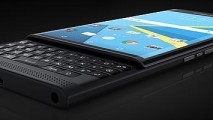
Blackberry PRIV Android Sliderhandy mit ausziehbarer Tastatur
Seit heute ist es nun offiziell vorbestellbar, das neue Blackberry PRIV. „BlackBerry?“ werden sich viele fragen, denn bisher waren die […]
-
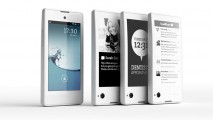
Yota Phone 2 Smartphone und eBook Reader in einem
2 in 1: Das Yotaphone 2 mit doppeltem Display Anfang 2014 wurde auf dem Mobile World Congress (MWC) der Nachfolger […]
-
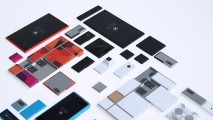
Google Projekt ARA
Ein Smartphone wie ein LEGO-Baukasten nach Belieben Zusammenstellen ohne von einem Hersteller abhängig zu sein? Das könnte mit Googles „Projekt […]
-

Das Black Phone von Boeing
Abhörsicher und einen extremen Schutz gegen Diebstahl, das soll das geplante Boeing-Handy Black Phone bieten. Das geht aus einem Antrag […]